A Virtual Roundtable with Hugo Frey, Hillary Chute, Mark McKinney, and Eszter Szep, moderated by Aubrey Gabel
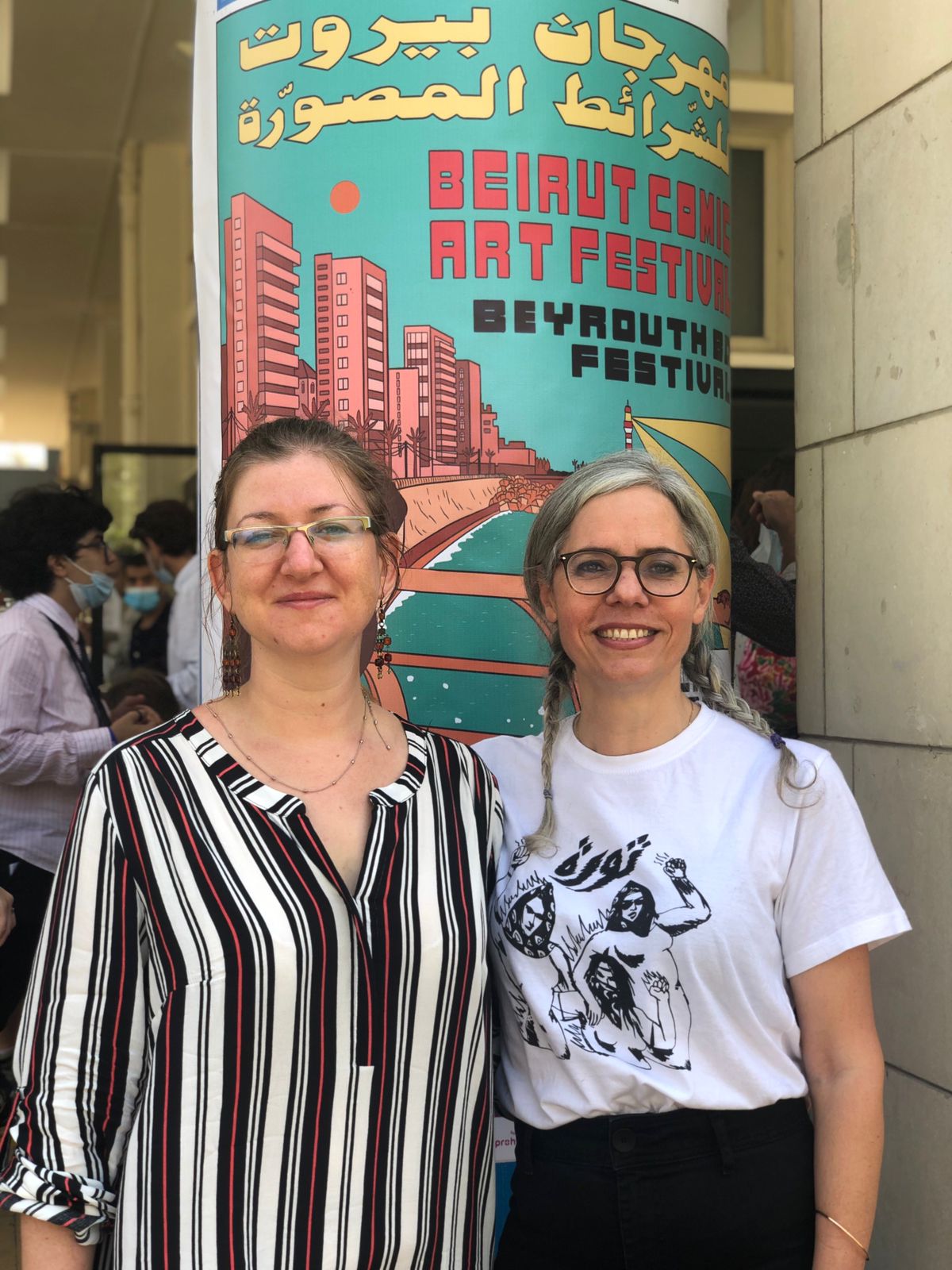
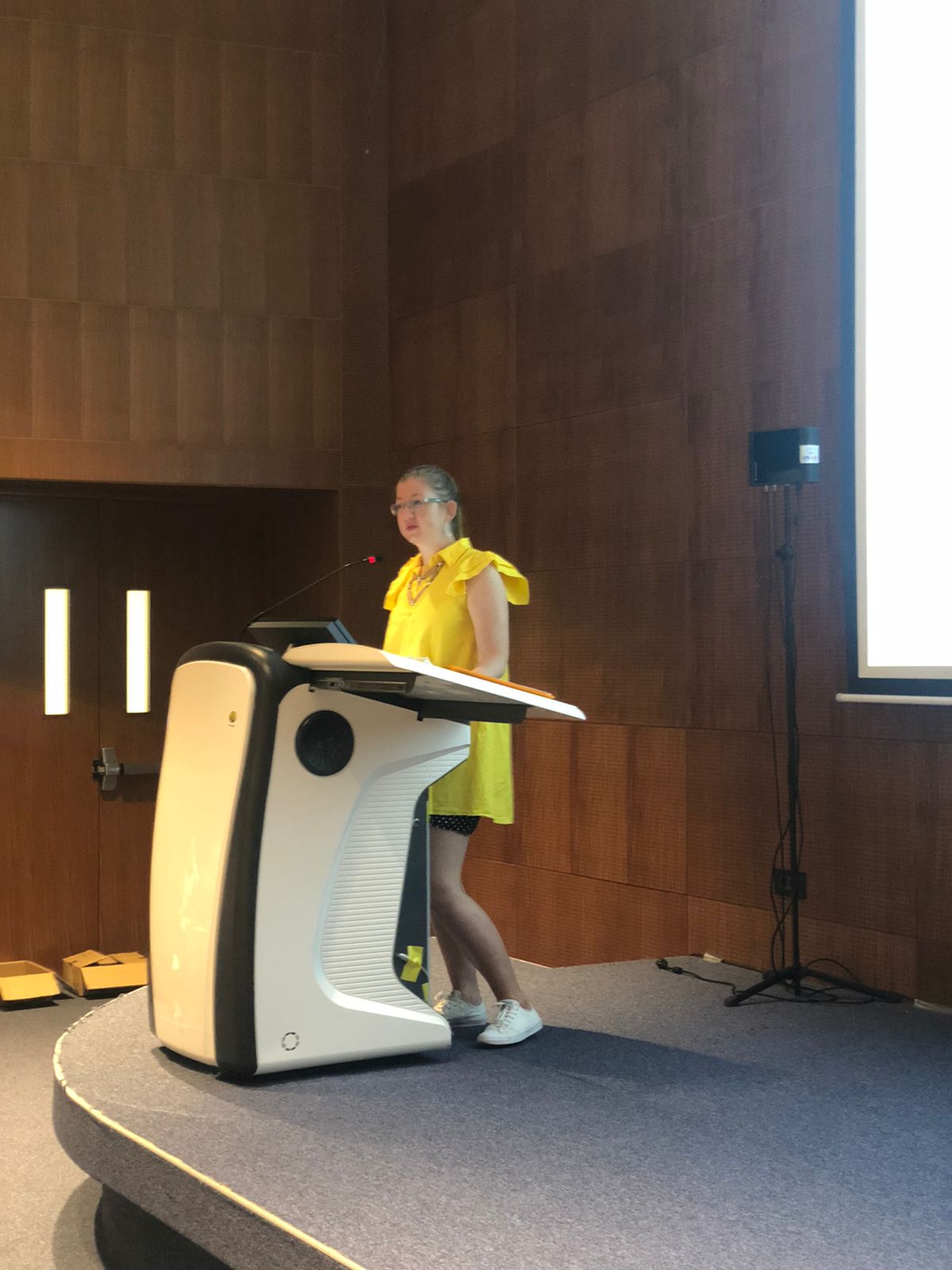
UPDATE: The panel isavailable on youtube. I was the fourth speaker, and I talked about comics as “poetry + graphic design” (said by Seth) and how it enables us to rethink the concept of comics and the practices around it and show this on the example of a fantastic collection of comics made by graphic desing students studying at the American University of Beirut about the 2019 Revolution in Lebanon.
When I was looking back on 2020 in my January 2021 post, I wrote that the best decision I made was quitting my job at a multinational company in the summer of 2020 (in spite of the pandemic, etc). I was grateful for that decision each and every day of 2021. Though freelancing is hard, it is getting easier and easier to find work. I still could not support myself financially if I lived alone, but I do not live alone, and I can rely on a partner who supports my freelancing projects. All year round, I could work on projects that make sense, which is a wonderful feeling.
In October 2021 I was invited by Lina Ghaibeh to hold a lecture to graphic design students about drawing and comics. I was and am still honored by this opportunity.
I am happy to share that I am the new book reviews editor of the Journal of Graphic Novels and Comics. I am really excited about this job and cannot wait to read and publish tons (!) of interesting reviews of books on comics.
I have been a secret book reviews enthusiast in the past 10 years or so, and I think many of you agree with me that there is a lot going on in comics research now. The field is becoming more international and more global, newer and newer chapters are explored in the history of the medium, and there is a great number of monographs and collections that offer syntheses of and guides to this expanding field. If you are interested in reviewing books for the Journal of Graphic Novels and Comics, please contact me (eszterszep AT gmail DOT com).
Doctoral students, postdocs, independent scholars, as well as tenured and non-tenured faculty are all welcome!
Please write a few lines about yourself, as well as about your areas of expertise and interest. If you already have a title in mind, do not hesitate to share it!
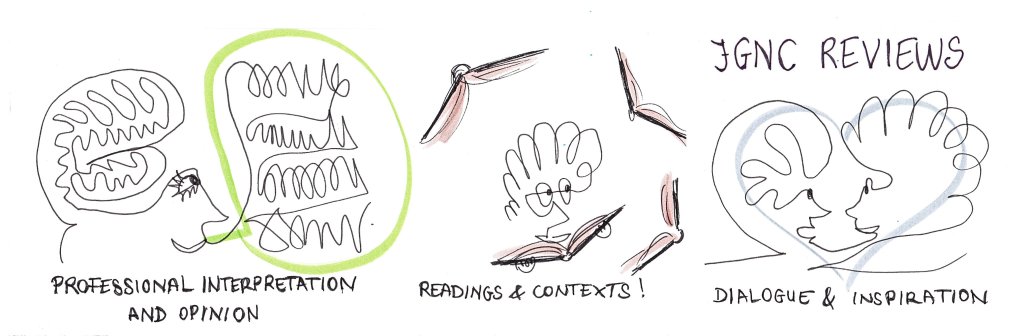
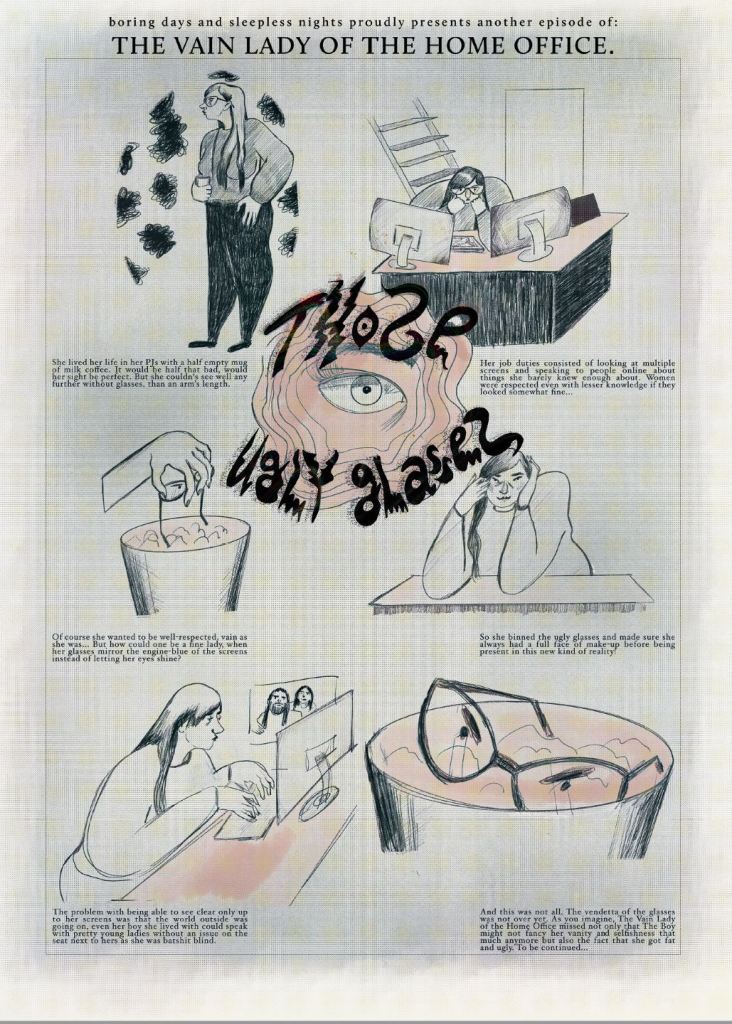
Finally, here is a comic I made about our book review philosophy. The strip was deeply influenced by Hungarian critic József Lapis’s several funny essays and self-reflections on reviews and the roles of reviewers.
In 2018 Roger Sabin gave me a Marie Duval T-shirt. Now THIS is the way to put ideas into someone’s head: you give them a T-shirt with a cool pattern related to a little known aspect to their research, and they are doomed… Yes, my new #patreon project is on Duval.
Marie Duval was drwaing to the British humorous-satyrical weekly Judy from 1869, and she started drawing the adventures of the first comics superstar, Ally Sloper. After her death, there were conscious attempts to misattribute her work and to erase her from the history of cartooning and visual journalism.
My project is based on the fantastic book Marie Duval: Maverick Victorian Cartoonistby Simon Grennan, Roger Sabin, and Julian Waite (2020). In the four parts of the project, I explore some of my favourite topics in the book: #1 Duval’s career, #2 women and work in Victorian Britain, #3 the influence of theatre on Duval’s cartooning, and #4 the politics of her drawing style and why it was considered vulgar. Link.
I was asked to lecture on the history of comics in the spring term. There are a few things you should know:
#1 I don’t believe in lecturing and any forms of frontal teaching.
#2 I don’t think that students of photography, design theory, or visual communication should sit an exam in the history of comics (in Hungary each lecture must be finished by a written or spoken exam.) They would benefit more about making comics or understanding how they work or getting inspired by them.
I am terrible, I know.
However, this lecture series turned out to be the greatest joy of my spring ’21 quarantine season.
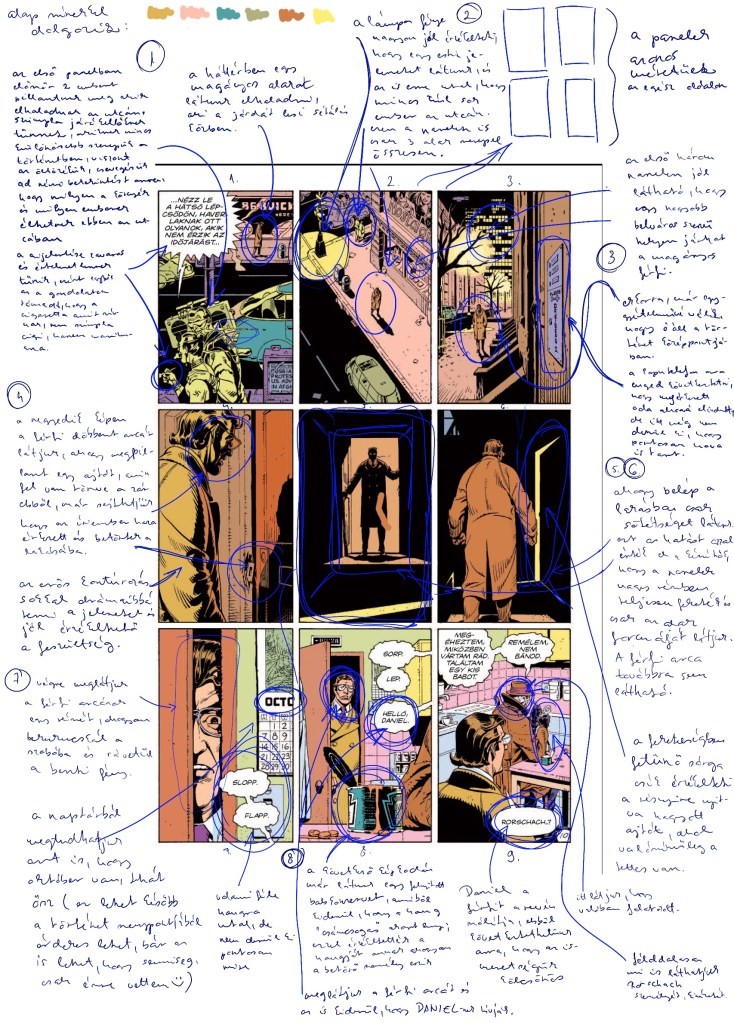
And some student work to tease you. The first two images are stylistic practice, the third one is an adaptation of a poem, the last one is a page analysis – the exercise comes from Nick Sousanis.
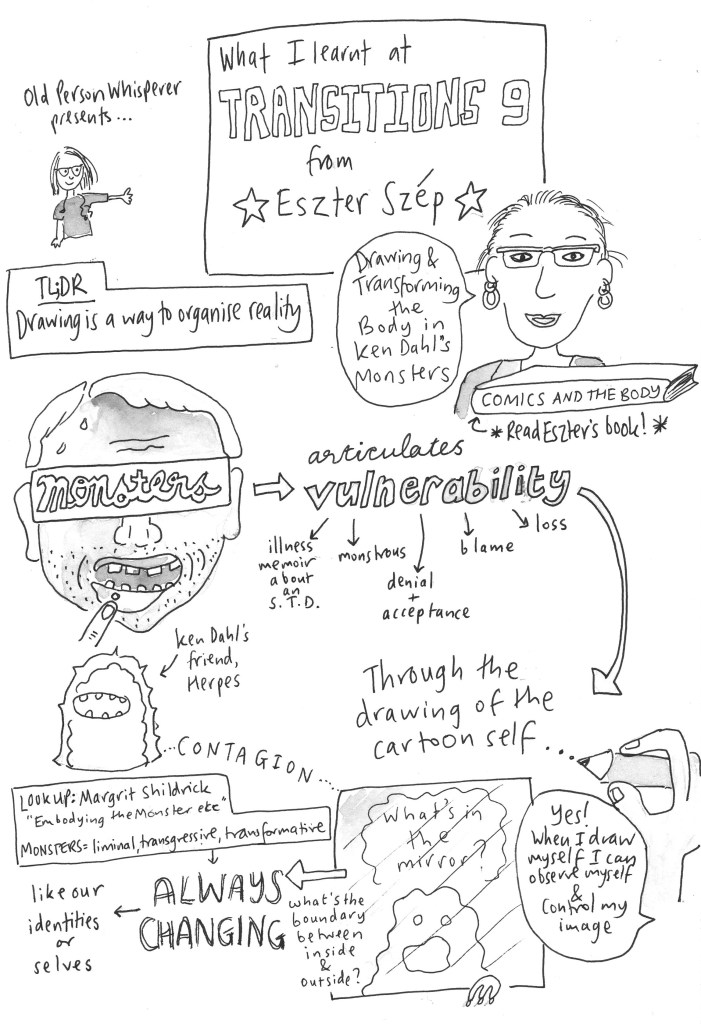
You can watch the 20-minute presentation on Monsters, a very creative and playful comic on STDs by Ken Dahl (penname for Gabby Schulz) on YouTube. This video was made for the Transitions 9: New Directions in Comics Studies conference in 2021.
Before the actual video, I also would like to share sketchnotes made by fantastic artist-researchers during the talk – thank you Muna, John, and Paul!
This sketchnote is by Dr Muna Al-Jawad, aka The Old Person Whisperer, who was the official sketchnoter of our panel:
Dr John Miers also made sketchnotes:
And Dr Paul Fisher Davies mentions this talk in his sketchnote on our panel:
This is my abstract for Transitions 9: New Directions in Comics Studies 2021 (Transitions was canceled in 2020 but will take place online this year – 2021. There will be live sketchnoting during the panels! I’ll speak on 8 April about a chapter of my book that I’ve not talked about at any conferences before. – Check out the full program here.)
Ken Dahl, in his graphic narrative on living with the sexually transmitted disease of herpes, represents his avatar and personifies the illness of the avatar with cunning visual inventiveness. Dahl’s dynamic visualizations freely transform the bodies of the characters, which, I argue, emphasize drawing as a performance and as a way to think about the many controversial topics of this comic (eg. relationships, responsibility, sex, guilt, prejudice). Bodies are constantly created and recreated in acts of drawing, which offer creative ways for Dahl (pen name for Gabby Schulz) not only to find visual expressions of complex feelings and experiences regarding illness but also to testify to the endlessness of pictorial embodiment (El Refaie) itself.
The metamorphoses keep the avatar in what Margrit Shildrick called the “condition of constant becoming” (1): in a particularly vulnerable state where the repeated acts of transforming the avatar’s body are used to ask visual questions about the body. Shildrick does not talk about comics, her book, Embodying the Monster: Encounters with the Vulnerable Self, studies monstrosity and vulnerability in various cultural products: my paper applies Shildrick’s questions to Dahl’s take on normative and the monstrous bodies. I show with examples and by close reading that the morphing of the avatar’s body is expressive of vulnerability on two levels: on the level of the narrative where the illness is transforming the body, and on the level of representation, where it is the lines that govern the transformations of the body.
Content warning: Dahl uses a cartoony style to show a sexually transmitted disease, but occasionally he switches to a very realistic, photoreferential way of drawing, which can be disturbing. Actually these changes are extremely interesting.
Some personal notes: – this conference presentation is based on chapter 2 of my book, Comics and the Body, which has, I am so happy to say, entered production phase! – I cannot wait to meet the fantastic members of the comics community in the UK and to talk to keynote speaker Nick Sousanis again! I am 100% sure this will be a most inspiring conference!
The day has come when I can proudly share with you that my book has been released! I really enjoyed writing it and discussing my ideas at conferences. I just love this topic. I am really happy now!
I am so grateful for the support of my husband and friends and for EAAS for their postgrad research grant to the Billy Ireland Cartoon Library. Without them and it I really could not have written this book.
In this book I examine the role of the body in drawing and reading comics within a single framework. In each chapter I approach a different aspect of embodied interaction with comics (drawing lines; drawing bodies; drawing style; reading bodies and abstract lines; interacting with a book object). This is an interdisciplinary book that is equally inspired by art practice, feminist ethics, and materiality studies.
If you are interested, I’d like to recommend two videos for further info: In this video I discuss my research with Frederick Louis Aldama.
And I made this short video to introduce the basic ideas of my book:
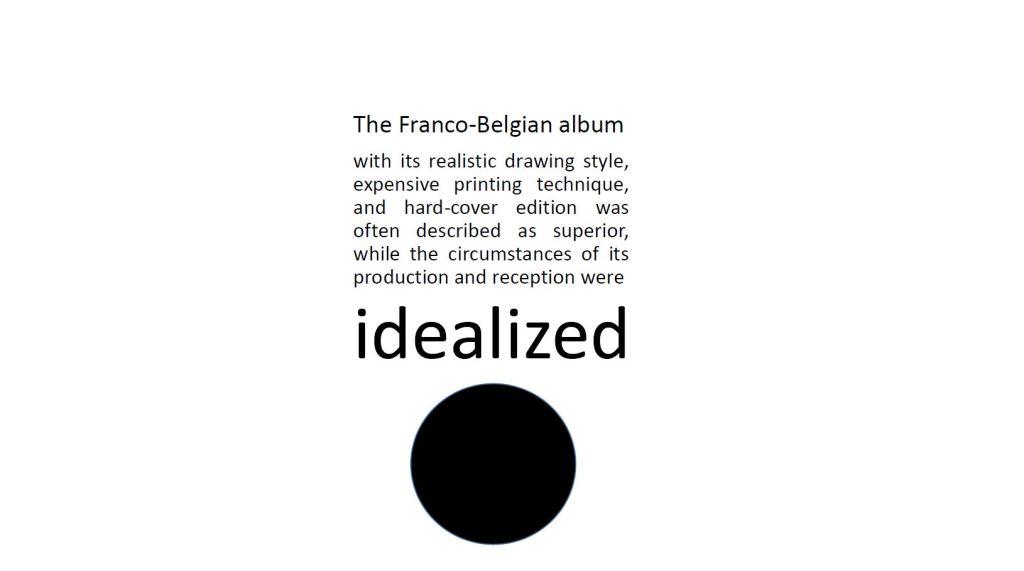
Contrary to the myths inherited from the 80s and later, the graphic novel was not invented or made popular exclusively by Will Eisner or his manager. In my latest Patreon project I dig into the origins of the graphic novel format and I also explore the origins of the term. A teaser of the project is now available for anyone on my website.
The project itself is longer than this teaser and is more argumentative. It is based on Dreaming the Graphic Novel by Paul Williams (Rutgers UP, 2020). I absolutely recommend this book. And my Patreon! Have I mentioned my Patreon in this paragraph yet?
The project on Patreon (ha!) shows that in the 60s and 70s many people had many ideas about how comics should be rethought. Yes, creators, publishers, editors, retailers thought that comics was in need of some change.
I do not dwell on this moral and financial crisis for long in my Patreon project (check!) , instead, I show the diversity of things people were doing and thinking AT THE SAME TIME. This is a dynamic and exciting age: noone knew that the graphic novel will turn out to be successful. They did not know it would be called graphic novel!
Why Patreon? I am experimenting with new formats to keep on doing research, thinking, and discussing ideas. As some of you know, I am outside Academia, which gives me a hard time, but I have watched dozens of Neil Gaiman motivational speeches and I am actively looking for alternative ways to share what I know and to learn from you all.
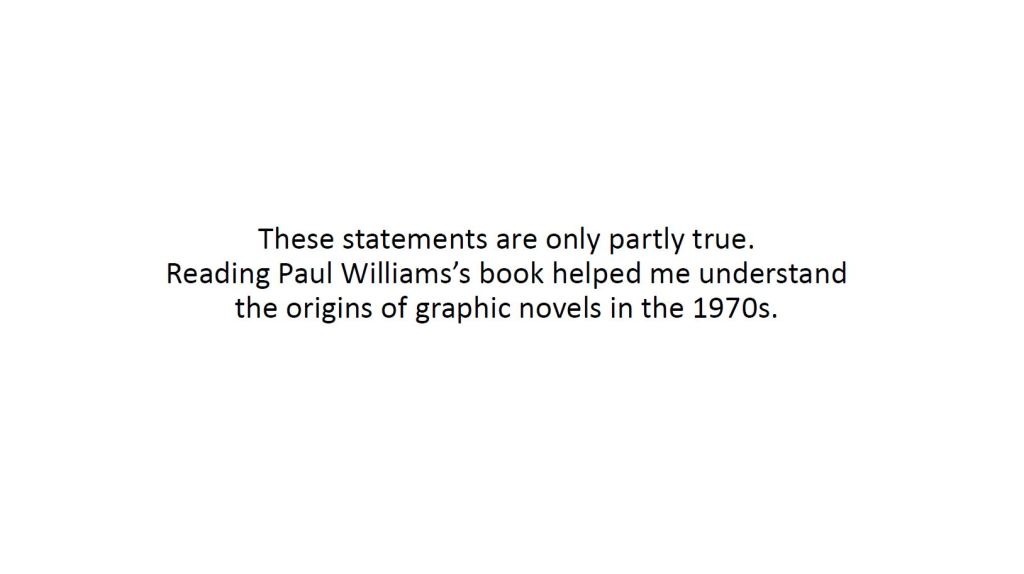
Distinguished guests, behold the project teaser:
The argumentation and further details of how people were experimenting with long format comics is available on Patreon, where my previous project is also available: You can also listen to an audio/podcast/thing on Ursula K. Le Guin’s Earthsea cycle. Here is the link: patreon.com/eszterszep














 Eszter Szép